
You begin your journey as a tattoo artist by mastering Tattoo Techniques that protect your clients and elevate your creative expression. Practicing on fake skin and starting with small tattoos build your skills safely. Foundational drawing skills let you develop a personal style and improve precision.
Consider these essential benefits:
Proper equipment and ink choices improve safety and the longevity of your work.
Strong technique enhances your ability to create vibrant, lasting tattoos.
Sanitation practices safeguard both you and your clients.
BBP certification, a strong portfolio, and apprenticeship open doors to growth. Poseidon provides expert resources for every step.
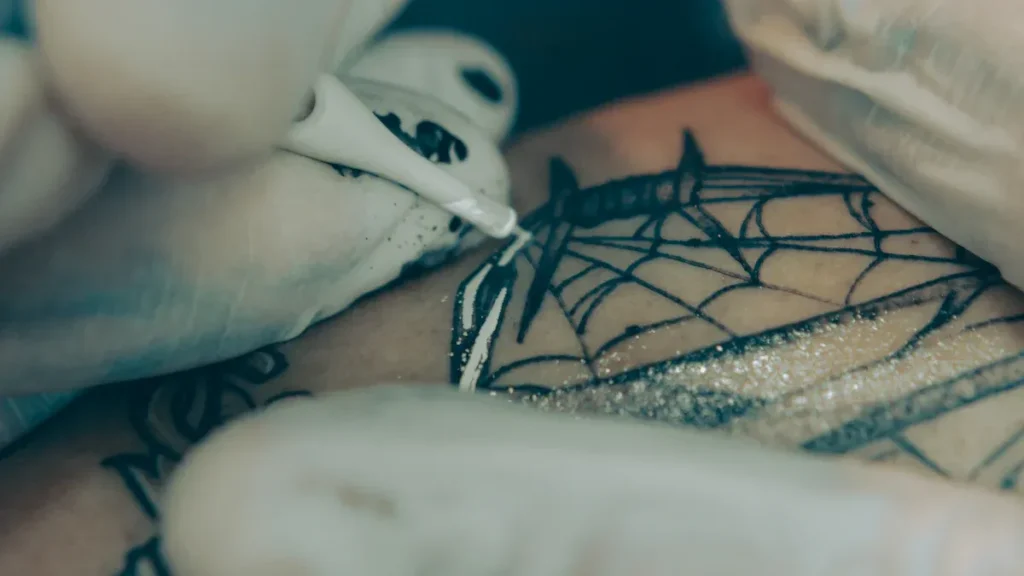
Image Source: pexels
Drawing Skills For Beginners
You build the foundation of your tattoo career by developing strong drawing skills. Drawing allows you to translate ideas and client preferences into visual designs. You gain the ability to communicate effectively with clients, ensuring their expectations are met. Drawing also encourages creativity and experimentation with different styles and techniques. Technical precision in tattooing improves through drawing, which helps you achieve clean lines and smooth shading. You foster a deep understanding of art theory and storytelling by practicing drawing regularly.
Note: Strong drawing skills help you create unique designs and ensure tattoos flow naturally with the body’s shape. This foundational skill directly affects the outcome of every tattoo.
Consider these benefits as you refine your drawing abilities:
You develop confidence and precision in tattooing.
You enable the creation of custom, original designs.
You ensure clean linework and smooth shading in tattoos.
Professional tattoo organizations recommend mastering four basic skills: lining, shading, coloring, and lettering. Continuous practice is essential for improvement and skill development. You lay the groundwork for advanced Tattoo Techniques by focusing on drawing first.
Practicing On Fake Skin
You practice Tattoo Techniques safely by using fake skin or artificial leather. Practicing on these surfaces allows you to build skill without risking client safety. You learn how to control the tattoo machine, adjust needle depth, and manage ink flow. Mistakes become valuable learning experiences when you work on fake skin, helping you avoid common errors in real sessions.
Fake skin provides a realistic texture for practicing lines, shading, and color packing.
You gain confidence before working on actual skin.
You can repeat exercises until you master each technique.
You prepare yourself for professional tattooing by dedicating time to practice. This step ensures you deliver high-quality results and maintain safety standards.
Equipment And Workspace Setup

Image Source: pexels
Choosing Quality Tattoo Equipment
Selecting the right equipment sets the foundation for your success as a tattoo artist. You should look for machines that balance quality and affordability. The table below outlines the main criteria professionals use when choosing tattoo equipment:
Criteria | Description |
|---|---|
Budget | Aim for a machine in the $100–$150 range for good quality without excessive cost. |
Power Source | Wireless machines provide mobility; corded machines ensure consistent power delivery. |
Needle Compatibility | Choose machines compatible with standard cartridges or needle types for versatility. |
Ergonomics | Look for machines with ergonomic grips to minimize fatigue during long tattoo sessions. |
Adjustability | Machines with adjustable needle depth and voltage settings offer greater versatility. |
You avoid common mistakes by familiarizing yourself with your equipment before working on clients. Focus on steady lines and even shading. Start with simple designs to build confidence and skill.
Setting Up A Sterile Workspace
Maintaining a sterile workspace protects both you and your clients. You must wash your hands thoroughly with antibacterial soap before each procedure. Always wear disposable gloves to prevent cross-contamination. Disinfect all surfaces and equipment before and after every client. Use single-use needles and tubes, opening them in front of your client. Dispose of non-sterilizable items, such as ink caps, after each use. Clean and sanitize your client’s skin before starting any tattoo.
Tip: Keep disposable ink caps, gloves, razor blades, and needles in your workspace. Use each item only once and dispose of it immediately.
Proper management of blood and bodily fluids is essential. Disinfect any surfaces that come into contact with blood to minimize infection risks.
BBP Certification Basics
BBP (Bloodborne Pathogens) certification is a requirement for every professional tattoo artist. This training covers the risks of exposure to pathogens like HIV, Hepatitis B, and Hepatitis C. You learn about exposure control, safe handling of biohazardous materials, emergency response, and proper waste disposal. The table below summarizes the key requirements:
Requirement | Description |
|---|---|
Common bloodborne pathogens | Understanding of HIV, Hepatitis B, Hepatitis C |
Exposure control procedures | Knowledge of PPE, sharps, hierarchy of controls |
Handling biohazardous materials | Proper disposal and handling techniques |
Emergency response | Procedures for post-exposure incidents |
Infection risks | Awareness of tattoo-specific infections and dangers |
Waste disposal | Safe disposal methods for biohazardous waste |
Sterilization techniques | Use of Autoclave equipment and disinfection practices |
BBP certification ensures you follow industry standards for infection control and safety. This knowledge supports your growth and professionalism as you master Tattoo Techniques.
Core Tattoo Techniques
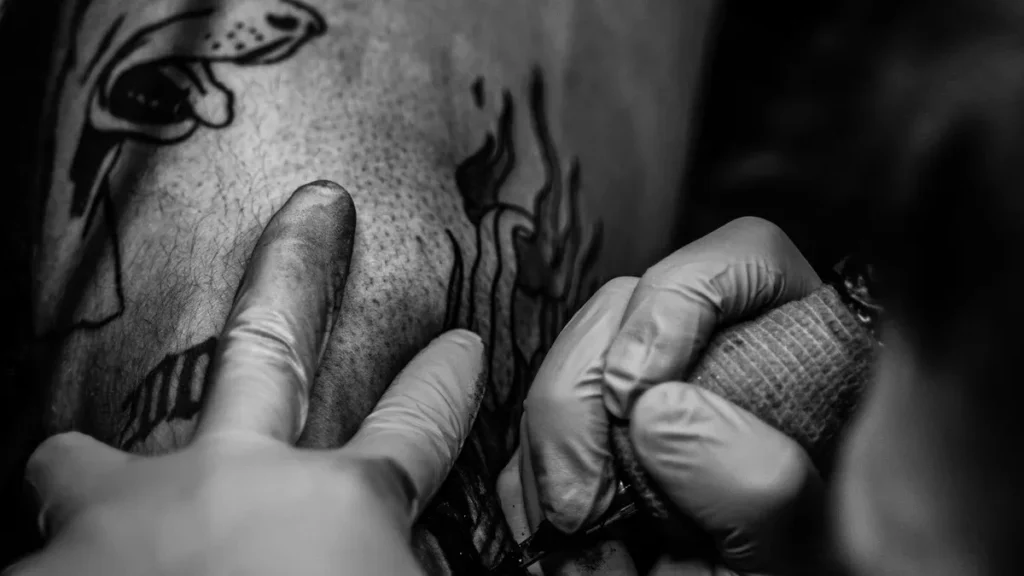
Image Source: pexels
Mastering core tattoo techniques sets you apart as a professional artist. You need to understand the basics of lining, shading, and color packing to create clean, vibrant tattoos. Each technique requires practice, patience, and attention to detail. By focusing on these fundamentals, you build a strong foundation for your tattoo career.
Lining Basics
Lining forms the backbone of most tattoos. You use lines to define shapes, create borders, and add detail. Clean, consistent lines make your work look professional and last longer on the skin.
Key steps for effective lining:
Choose the right needle configuration for the desired line thickness.
Maintain a steady hand and consistent machine speed.
Stretch the skin gently to ensure smooth ink flow.
Start with simple designs to build muscle memory.
Tip: Always test your machine on fake skin before working on a client. This helps you adjust your speed and pressure for optimal results.
Common mistakes to avoid:
Rushing the process, which leads to shaky or uneven lines.
Applying too much pressure, causing blowouts or skin trauma.
Failing to stretch the skin, resulting in broken or patchy lines.
You improve your lining by practicing on artificial skin and reviewing your work critically. Over time, your confidence and precision will grow.
Shading Techniques
Shading adds depth and dimension to your tattoos. You use shading to create gradients, shadows, and realistic effects. Understanding tonal values helps you achieve smooth transitions and lifelike results.
Effective shading techniques for beginners:
Identify the light source to determine where shadows fall.
Recognize the difference between light, mid, and dark values to enhance your shading.
Use parallel lines for darker tones and spaced lines for lighter areas.
Apply layering with perpendicular lines to add texture.
Utilize circular strokes and blending for soft, realistic effects.
Experiment with stippling to create controlled transitions and unique textures.
Note: Understanding tonal values is crucial. You should observe the brightest highlights, core shadows, and transitional values in your design. This approach helps you create realistic shading and dynamic tattoos.
Common shading mistakes:
Overworking the skin, which can cause scarring or uneven healing.
Using inconsistent hand speed, resulting in patchy shading.
Ignoring the light source, making the tattoo look flat.
You develop your shading skills by practicing different techniques on fake skin and studying reference images. Consistent practice leads to smoother gradients and more professional results.
Color Packing Tips
Color packing involves saturating the skin with solid, vibrant color. You use this technique to fill large areas or create bold designs. Proper color packing ensures your tattoos heal evenly and retain their brightness over time.
Steps for successful color packing:
Use a round shader or magnum needle for even coverage.
Work in small, overlapping circles to avoid patchiness.
Keep the needle at a consistent depth to prevent blowouts.
Wipe excess ink frequently to monitor your progress.
Callout: Always use high-quality pigments and fresh needles for color work. This reduces the risk of allergic reactions and ensures lasting results.
Common color packing mistakes:
Moving the machine too quickly, which leaves gaps in the color.
Failing to overlap passes, resulting in uneven saturation.
Using low-quality ink, which fades or heals poorly.
You refine your color packing by practicing on artificial skin and experimenting with different pigments. Over time, your tattoos will appear brighter and more consistent.
Industry experts recommend that every beginner master these core tattoo techniques:
Developing drawing skills to understand composition and visual elements.
Learning the theory behind tattooing, including needles, machines, and pigments.
Familiarizing yourself with different tattoo equipment.
Practicing hygiene and safety at all times.
Honing your skills on artificial skin before working on clients.
Communicating clearly with clients to understand their ideas and build trust.
By focusing on these Tattoo Techniques, you lay the groundwork for a successful and safe tattooing career.
Starting Small And Building Skills
Small Tattoo Practice
Lorem ipsum dolor sat amet,consectetur adipiscing elit。 Ut elittellus,luctus nec ullamcorper mattis,pulvinar dapibus leo。
You build your skills and confidence by starting with palm-sized tattoos. Small designs allow you to master precision and detail work, which is essential for every tattoo artist. Even experienced professionals refine their technique by working on tiny tattoos. You focus on control and accuracy, which helps you avoid common mistakes and improve your results. Small tattoos also encourage you to develop muscle memory, making each session more comfortable and efficient.
Tip: Begin with simple shapes and lines before moving on to more complex patterns. This approach helps you understand how ink interacts with skin and how your machine responds to different movements.
You benefit from practicing small tattoos because you:
Enhance your ability to execute fine details.
Build confidence with each successful design.
Strengthen your control over the tattoo machine.
Develop a steady hand and improve your technique.
You lay a strong foundation for larger, more intricate work by mastering small tattoos first.
Building Confidence
You gain confidence through consistent practice and focused routines. Maintaining a steady hand ensures needle stability and improves your results. Regular practice enhances your control and helps you develop a professional workflow. You support your tattooing process by using both hands, which increases stability and reduces fatigue.
Consider these effective practice routines:
Dedicate 15 minutes daily to drawing and refining your design skills.
Keep a sketchbook or digital tablet nearby for quick practice sessions.
Focus on specific Tattoo Techniques, such as shading or line work, during each session.
Use ergonomically designed grips to enhance control and comfort.
Take breaks to avoid fatigue and maintain proper posture.
Note: Improving hand steadiness and posture leads to better results and reduces the risk of mistakes. You build confidence by seeing progress in your work and receiving positive feedback from mentors or peers.
You develop your skills and confidence by following these routines. Over time, you become more comfortable with your equipment and more capable of handling client requests.
Hygiene And Aftercare
Sterilization Protocols
You protect your clients and your reputation by following strict sterilization protocols in your studio. Every tool and surface must meet professional standards to prevent infection and cross-contamination. You should always:
Use an autoclave to sterilize tattoo needles and reusable equipment. Autoclaving remains the most reliable method for eliminating pathogens.
Rely on chemical sterilization only if autoclaving is unavailable, but never as your primary method.
Enhance your cleaning process with ultrasonic cleaners before sterilization.
Calibrate and maintain your autoclave regularly. Monitor your sterilizer weekly or monthly, as required by state regulations.
Conduct regular spore testing to confirm your sterilization equipment works properly.
Implement a clear infection control policy for your studio. Share this policy with both clients and staff.
Disinfect all surfaces that come into contact with blood or bodily fluids after each session.
Tip: Always manage blood and bodily fluids with approved disinfectants and dispose of single-use items immediately.
Client Aftercare Instructions
You ensure your clients’ tattoos heal well by providing clear aftercare instructions. Proper aftercare reduces complications and improves satisfaction. Always advise your clients to:
Keep the initial dressing or bandage on for the recommended time, usually 2–3 days.
Wash hands thoroughly before touching the tattoo.
Gently clean the tattoo with warm water and fragrance-free liquid soap. Avoid bar soap.
Pat the area dry with a clean towel.
Apply a thin layer of recommended aftercare ointment or fragrance-free moisturizer 2–3 times daily for about two weeks.
Avoid soaking the tattoo in water, swimming pools, hot tubs, or exposing it to direct sunlight.
Wear loose clothing to prevent irritation.
Never scratch, pick, or peel the tattooed area.
Note: Consistent cleaning and moisturizing help prevent scabbing and promote even healing.
Research shows that proper aftercare leads to better healing and higher client satisfaction:
Study Type | Key Findings | Impact on Healing and Satisfaction |
|---|---|---|
Randomized Controlled Trial | Products applied twice daily for 28 days | Reduced redness and swelling, minimal scabbing, improved hydration |
Single-Blind Prospective Study | Products applied 4–8 times daily for 14 days | Effective skin barrier restoration, favorable cosmetic results |
You build trust and loyalty by educating your clients on aftercare. Clear instructions help your tattoos look their best and keep your clients healthy.
You build your tattoo career by mastering core techniques, practicing consistently, and prioritizing safety. Celebrate each breakthrough, seek feedback, and commit to lifelong learning. BBP certification, a strong portfolio, and mentorship open doors to growth and protect your reputation:
Benefit | Description |
|---|---|
Professional Reputation | Certification and mentorship boost trust and attract clients. |
Infection Control | Training ensures you maintain a sterile environment and handle accidents. |
Poseidon supports you with beginner-friendly tools, practice resources, and expert guidance every step of the way.
FAQ
What is the best way to practice tattoo techniques as a beginner?
You should start by drawing daily and practicing on fake skin. This approach helps you build muscle memory and confidence. Focus on basic shapes and lines before moving to more complex designs
How do you choose the right tattoo machine for beginners?
You should select a machine that feels comfortable in your hand and offers adjustable settings. Look for reliable brands with good reviews. Start with a mid-range model to balance quality and cost.
Why is BBP certification important for tattoo artists?
BBP certification teaches you how to handle bloodborne pathogens safely. You protect yourself and your clients from infections. Most studios require this certification before you can work professionally.
How can you build a strong tattoo portfolio?
You should include high-quality photos of your best work. Show a variety of styles and techniques. Organize your portfolio clearly and update it regularly. This approach attracts mentors and clients.
What should you tell clients about tattoo aftercare?
You must explain how to clean and moisturize the tattoo. Advise clients to avoid sun, swimming, and picking at the area. Clear instructions help tattoos heal well and keep clients satisfied.