
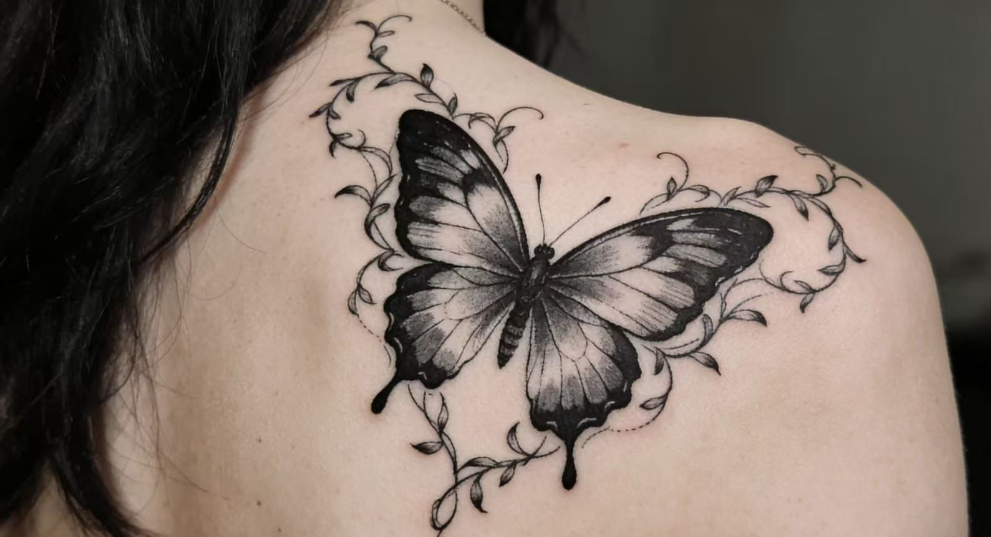
You want your new tattoo to heal perfectly and stay vibrant. Tattoo Hygiene 101 gives you the foundation for safe and effective care. If you follow proven aftercare steps, you reduce the risk of infection and discomfort. Clinical studies show that proper aftercare helps your skin repair faster, with less redness and swelling. POSEIDON stands for quality and safety, offering tools like the Tattoo Machine Kit-hm126 to support your journey. You can feel confident and excited as you begin this meaningful experience.
Key Takeaways
-
Proper tattoo hygiene is essential for preventing infections and ensuring vibrant results.
-
Choose a reputable tattoo studio that follows strict cleanliness and hygiene protocols.
-
Always wash your hands before touching your tattoo to minimize infection risk.
-
Follow aftercare instructions closely, especially during the first 48 hours after getting your tattoo.
-
Use fragrance-free and alcohol-free products to keep your tattoo moisturized and healthy.
-
Protect your tattoo from sun exposure by applying sunscreen daily, even on cloudy days.
-
Stay hydrated and maintain a healthy lifestyle to support your skin and tattoo vibrancy.
-
Regularly check your tattoo for signs of infection and seek help if you notice any unusual symptoms.
Tattoo Hygiene 101: Why It Matters
Tattoo Hygiene 101 gives you the foundation for a healthy, vibrant tattoo. You want your tattoo to look sharp and stay free from complications. Good hygiene practices protect your investment and your health. POSEIDON understands the importance of safe tattooing and provides tools that support clean, professional results.
Risks of Poor Hygiene
Infection
You expose yourself to serious health risks if you neglect proper hygiene during the tattoo process. Bacteria and other pathogens can enter your skin through open wounds. The following table outlines the most common health risks associated with poor tattoo hygiene:
|
Health Risk |
Description |
|---|---|
|
Bacteremia |
Bacteria in the blood. |
|
Endocarditis |
An infection of the heart’s inner lining. |
|
Septic shock |
Dangerously low blood pressure after an infection. |
|
Allergic reactions |
Immune response to tattoo ink or materials. |
|
Granuloma |
Noncancerous cluster of white blood cells and other tissue. |
|
Keloids |
Raised areas around the tattoo caused by scar tissue. |
|
Malignant lymphoma |
Increased risk of cancer starting in the lymph system. |
You must take these risks seriously. Infection can lead to pain, swelling, and even hospitalization. Always choose a studio that follows strict hygiene protocols.
Fading and Complications
Poor hygiene does not only threaten your health. It also affects the appearance of your tattoo. Neglecting aftercare can cause faded colors, blurring, and other complications. You may notice your tattoo losing its sharpness or developing uneven patches. These problems often require expensive touch-ups or medical treatment.
Benefits of Good Care
Healing
Tattoo Hygiene 101 teaches you that proper care speeds up healing and reduces discomfort. You can prevent infection and ensure your tattoo heals smoothly by following these steps:
-
Use fragrance-free, alcohol-free lotions.
-
Avoid petroleum-based products.
-
Apply moisturizer with clean hands and avoid over-moisturizing.
You should always wash your hands before touching your tattoo. Clean, gentle care helps your skin recover faster and minimizes scabbing.
Vibrancy
You want your tattoo to stay bright and bold for years. Good hygiene and aftercare keep your tattoo looking fresh. Here are some proven tips:
-
Wait until your tattoo is fully healed before exposing it to the sun.
-
Reapply sunscreen every two hours.
-
Build a solid skincare routine with regular exfoliation and moisturizing.
-
Stay hydrated by drinking water daily.
-
Maintain a healthy lifestyle with a balanced diet and exercise.
-
Schedule touch-ups as needed to refresh fading tattoos.
Tattoo Hygiene 101 emphasizes that proper aftercare maintains the brightness and detail of your tattoo. POSEIDON’s commitment to quality ensures you have the right tools for safe, effective tattooing. You protect your health and your art by making hygiene your top priority.
Pre-Tattoo Prep
Preparing for your tattoo session sets the foundation for a safe and successful experience. You want to ensure every detail aligns with the highest standards of Tattoo Hygiene 101. Careful planning protects your health and guarantees the best possible results.
Studio Selection
Cleanliness
You should evaluate the cleanliness of a tattoo studio before booking your appointment. A clean environment reduces the risk of infection and ensures a professional experience. Use the following table to assess the studio’s hygiene standards:
|
Criteria |
Description |
|---|---|
|
Sterilization |
The studio uses autoclaves and ultrasonic cleaners to eliminate contaminants from equipment. |
|
Single-Use, Disposable Tools |
Artists use new needles and cartridges for each client to prevent cross-contamination. |
|
Personal Protective Equipment (PPE) |
Artists wear gloves, masks, and other PPE to protect both you and themselves. |
|
Studio Maintenance |
Surfaces are disinfected regularly, and the workspace remains organized and clutter-free. |
|
Skin Preparation |
Artists clean your skin thoroughly before starting the tattoo. |
|
Safe Ink Practices |
Only high-quality, safe inks are used for your tattoo. |
You should never compromise on these standards. A reputable studio will welcome your questions about their hygiene protocols.
Certification
Professional tattoo artists must hold valid certifications. These credentials demonstrate their commitment to safety and industry best practices. Review the following table to understand the most recognized certifications in 2025:
|
Certification Name |
Description |
Cost |
Renewal Requirement |
|---|---|---|---|
|
IBMS Body Art Certification |
International Board of Medicine and Surgery certification for tattoo professionals. |
$195 |
Annual renewal required |
|
IBMS Course on Blood-Borne Pathogens |
Training focused on blood-borne pathogens and communicable diseases. |
$129 |
Certificate of completion provided |
You should always ask to see your artist’s certifications before your session.
Skin Preparation
Washing
Proper skin preparation minimizes infection risk. You should follow these steps before your appointment:
-
Exfoliate gently two to three days before your session to remove dead skin cells.
-
Use a natural moisturizer daily to keep your skin healthy.
-
Avoid sun exposure and tanning for at least one week.
-
Do not use harsh skincare products near the tattoo area.
-
Shave the area a day or two before, not on the day of your appointment.
-
Arrive with clean skin, washed with fragrance-free soap and sterile water.
Hydration
Hydrated skin responds better to tattooing. Drink water regularly in the days leading up to your appointment. Well-hydrated skin heals faster and holds ink more effectively.
Tip: Bring a bottle of water to your session and avoid excessive caffeine, which can dehydrate your skin.
What to Avoid
Alcohol
You should avoid alcohol for several days before your tattoo. Alcohol thins your blood, increases bleeding, and can impair your judgment during the session.
Poor Studios
Never settle for a studio that lacks proper hygiene or certification. Poor studios put your health and your tattoo at risk. Choose a reputable artist who uses high-quality equipment, such as the POSEIDON Tattoo Machine Kit-hm126. This kit offers advanced technology, a lightweight design, and all the essentials for a safe, professional tattoo experience.
Tattoo Hygiene 101 starts with smart choices. By preparing your skin, selecting a certified artist, and insisting on clean equipment, you set yourself up for a vibrant, healthy tattoo.
Studio & Equipment Hygiene
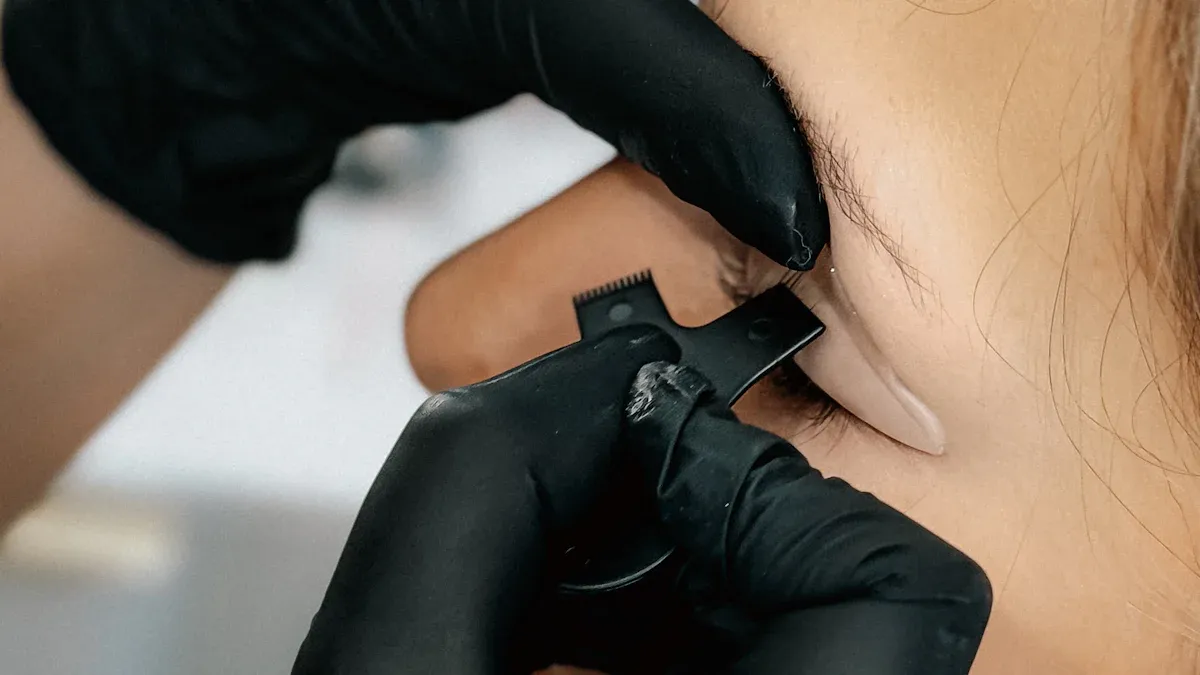
Maintaining strict hygiene in the studio and with your equipment is essential for a safe tattoo experience. Tattoo Hygiene 101 emphasizes that you must never compromise on cleanliness. Every step, from artist preparation to tool selection, plays a role in protecting your health and ensuring the best results.
Artist Practices
Gloves
You should always see your artist wearing new, clean gloves at every stage of the tattoo process. Gloves act as a barrier, preventing direct contact with blood and bodily fluids. Professional artists change gloves frequently, especially after touching non-sterile surfaces or before handling fresh equipment. This simple habit reduces the risk of cross-contamination.
Handwashing
Handwashing is a non-negotiable step before and after every tattoo session. Your artist must wash their hands thoroughly with antibacterial soap and water. This practice removes bacteria and minimizes the chance of infection. You can ask your artist about their handwashing routine to ensure they follow industry standards.
Tip: If you notice an artist skipping handwashing or glove changes, consider it a red flag and look for another studio.
Sterile Tools
Needles
Sterilized, single-use needles are the gold standard in modern tattooing. Your artist should open needle packages in front of you, confirming their sterility. After use, all needles must go directly into a designated sharps container. This prevents accidental injuries and eliminates the risk of reusing contaminated tools.
Cartridges
Cartridges, like needles, must be single-use and come in sealed packaging. Artists should dispose of used cartridges immediately after your session. Proper storage and handling of these items ensure that every client receives a safe, hygienic experience.
|
Tool |
Best Practice |
Disposal Method |
|---|---|---|
|
Needles |
Single-use, opened in front of client |
Sharps container |
|
Cartridges |
Single-use, sealed packaging |
Sharps container |
|
Ink Caps |
Disposable, replaced each session |
General waste |
POSEIDON Kit Features
Lightweight Design
The POSEIDON Tattoo Machine Kit-hm138 features a lightweight design that allows you to work comfortably for extended periods. This ergonomic advantage helps reduce fatigue, letting you focus on precision and hygiene throughout the session.
Advanced Tech
POSEIDON’s advanced technology ensures smooth, consistent performance. The kit includes pre-sterilized cartridges and accessories, supporting the highest hygiene standards. You also benefit from a 365-day warranty, giving you peace of mind about product reliability and safety.
Note: Choosing equipment like the POSEIDON Tattoo Machine Kit-hm126 means you invest in both quality and hygiene. You protect your clients and your reputation by using trusted, professional tools.
Tattoo Hygiene 101 teaches you that every detail matters. From gloves and handwashing to sterile tools and advanced equipment, your commitment to hygiene sets the foundation for beautiful, safe tattoos.
Tattooing Process Hygiene
Maintaining strict hygiene during the tattooing process protects your health and ensures the best results. You should pay close attention to how your artist prepares your skin and workspace. Every step matters, from cleaning your skin to setting up protective barriers.
Skin Cleaning
Alcohol Prep
Before the needle touches your skin, your artist must clean the area thoroughly. The gold standard for skin prep is 70% isopropyl alcohol. This concentration kills bacteria and reduces infection risk without irritating your skin. Many professionals also use sterile water to rinse away debris and keep the area clean throughout the session.
You may notice your artist using additional cleaning agents. Here is a quick reference table for common products used in professional studios:
|
Cleaning Agent |
Description |
|---|---|
|
BZK Wipes |
Used for sanitizing the skin, reducing infection risk before tattooing. |
|
Dettol |
Effective for cleaning skin and setting stencils, but may irritate sensitive skin. |
|
Green Soap |
Gentle on the skin, ideal for skin prep and stencil setting, can be used throughout the tattooing process. |
Your artist should select the right product for your skin type and the tattoo location. If you have sensitive skin, mention it before the session begins.
Protective Barriers
A professional artist always uses protective barriers to prevent contamination. You should see fresh plastic wrap or disposable covers on tattoo machines, clip cords, and work surfaces. These barriers stop blood, ink, and cleaning fluids from touching reusable equipment. Artists also use disposable ink caps and single-use razors to further reduce risk.
Tip: If you notice your artist skipping any barrier steps, speak up. Your safety comes first.
What Clients Should Expect
Clean Workspace
You deserve a spotless environment. The studio should look organized, with no clutter or visible dirt. The artist’s station must be set up before you arrive, with all tools arranged neatly. You should never see broken furniture, pests, or any sign of neglect.
Hygiene Protocols
Professional studios follow strict hygiene protocols. Here’s what you should expect during your session:
-
Artists wear sterilized disposable gloves, face masks, and aprons or medical scrubs.
-
The environment remains clean and free from dirt or pests.
-
The artist’s tray contains only disposable, single-use items during your procedure.
-
All tools are clean, with disposable tools preferred to prevent cross-contamination.
You play a role in your own safety. Observe your surroundings and do not hesitate to ask questions about hygiene practices. When you choose a studio that follows these standards, you protect your health and ensure your tattoo heals beautifully.
Aftercare Basics
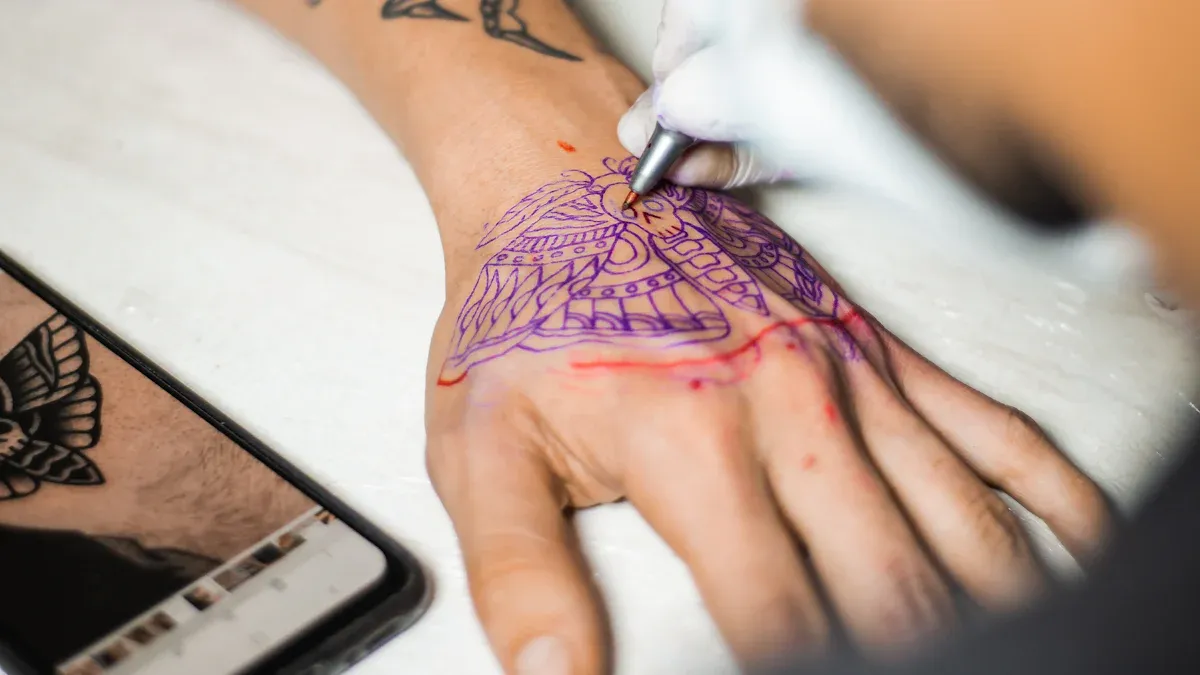
Caring for your tattoo does not end when you leave the studio. The first 48 hours set the stage for healthy healing and vibrant results. You must follow a systematic approach to prevent infection and fading. Tattoo professionals agree that proper aftercare during this period makes a significant difference in your tattoo’s appearance and your overall comfort.
First 48 Hours
Washing
You need to keep your tattoo clean from the start. Begin by gently washing the area with lukewarm water and a fragrance-free, antibacterial soap. Avoid using hot water, as it can irritate your skin and slow the healing process. Use your clean hands to apply the soap—never use a washcloth or sponge, which can harbor bacteria.
-
Wash your tattoo two to three times a day.
-
Let your skin air dry or gently blot with a clean paper towel.
-
Do not scrub or rub the area.
Tip: Always wash your hands thoroughly before touching your tattoo. This simple habit reduces the risk of introducing bacteria to the fresh wound.
Bandaging
Your artist will cover your tattoo with a sterile bandage or a medical-grade film like Saniderm. This barrier protects your skin from dirt and bacteria during the initial hours. You should keep the bandage on for the time recommended by your artist, usually between two and six hours. After removing the bandage, wash your tattoo as described above.
If your artist uses a second-skin bandage, you may keep it on for up to 24 hours. Follow your artist’s instructions closely. Never re-bandage your tattoo unless specifically advised.
|
Step |
Action |
|---|---|
|
Initial Bandage |
Leave on for 2–6 hours (or as directed) |
|
After Removal |
Wash gently with fragrance-free soap and lukewarm water |
|
Drying |
Air dry or blot with a clean paper towel |
|
Re-bandaging |
Only if instructed by your artist |
Moisturizing
Ointments
Once your tattoo has dried after washing, you need to keep the area hydrated. Dermatologists recommend using ointments that provide moisture without clogging pores. Two popular options include:
-
Aquaphor: This ointment creates a breathable barrier and delivers intense moisture. Apply a thin layer right after removing the initial bandage.
-
Lubriderm: This fragrance-free lotion absorbs quickly and works well for sensitive skin. It keeps your tattoo hydrated without feeling greasy.
Avoid petroleum jelly or heavily scented lotions, as these can trap bacteria or cause irritation.
Application Tips
Apply a thin layer of your chosen ointment two to three times a day. Too much product can suffocate your skin and delay healing. Always use clean hands when applying ointment. If your tattoo feels dry or tight, add a small amount of moisturizer.
-
Wait until your tattoo is dry before applying lotion.
-
Moisturize 3–6 times daily for the first three weeks.
-
Do not over-moisturize; your skin should feel supple, not sticky.
Note: If you notice redness, swelling, or unusual discharge, contact your tattoo artist or a healthcare professional. Early attention prevents complications and supports healthy healing.
By following these aftercare basics, you protect your tattoo from infection and fading. You also ensure that your skin heals quickly and your tattoo remains bold and beautiful. Consistent care during the first 48 hours lays the foundation for long-term tattoo health.
Healing & Ongoing Care
Proper healing and ongoing care determine the long-term success of your tattoo. You must follow a consistent routine to protect your skin, maintain vibrancy, and avoid complications. POSEIDON supports you throughout this process with reliable products and expert guidance.
Daily Routine
Cleaning
You should clean your tattoo every day to prevent infection and promote healing. Follow these steps for best results:
-
Wash your hands thoroughly before touching your tattoo.
-
Gently wash the tattoo with lukewarm water and fragrance-free soap.
-
Pat the area dry with a soft, clean cloth—never rub.
-
Repeat this process two to three times daily, especially after sweating or exposure to dirt.
Tip: Always allow your tattoo to dry completely before applying any moisturizer.
Moisturizing
Hydration is essential for healthy skin and vibrant ink. Apply a thin layer of fragrance-free, alcohol-free moisturizer after each wash. Choose a lotion designed for sensitive skin. Avoid heavy creams or petroleum-based products, which can clog pores and delay healing. Continue moisturizing daily until your tattoo feels smooth and no longer peels.
-
Use a small amount of lotion to avoid suffocating the skin.
-
Keep the tattooed area supple, not sticky.
-
Maintain this routine for at least three weeks.
What to Avoid
Sun
Direct sunlight can damage a healing tattoo and cause fading. You must keep your tattoo covered or shaded until it fully heals. After healing, apply a high-SPF sunscreen every day to protect your art.
Dr. Jagdeo notes that sun exposure during healing increases the risk of irritation and fading.
Swimming
Water can introduce bacteria and slow the healing process. You should avoid swimming pools, hot tubs, and long baths for at least two weeks. Showers are safe, but keep them short and avoid direct streams on your tattoo.
-
Do not submerge your tattoo in water.
-
Avoid vigorous activities that cause excessive sweating.
Signs of Infection
Symptoms
Monitor your tattoo for early signs of infection. Common symptoms include:
-
Redness that worsens after the first week
-
Pain that increases instead of improving
-
Thick yellow or green pus
-
Rash, scaly bumps, or open sores
-
Fever, chills, or sweating
If you notice any of these symptoms, act quickly.
When to Seek Help
Seek medical attention if:
-
Symptoms worsen after two weeks.
-
You experience fever, chills, or excessive redness.
-
You see pus, abnormal oozing, or persistent pain at the tattoo site.
Note: Early intervention prevents serious complications. POSEIDON’s support team can answer questions about product use and healing concerns.
By following these guidelines, you ensure your tattoo heals beautifully and remains vibrant. Trust in POSEIDON’s commitment to quality and reliability as you care for your new art.
Long-Term Tattoo Care
You must protect your tattoo for years to keep it looking sharp and vibrant. Long-term care involves daily habits and smart choices. You can prevent fading, dryness, and dullness by following proven strategies.
Sun Protection
Sunscreen
Sun exposure is the leading cause of tattoo fading. You should apply sunscreen every day, even on cloudy days. Dermatologists recommend using products designed for tattooed skin. Here are some top choices:
-
Mad Rabbit SPF 30 Tattoo Sunscreen – Fragrance-free and gentle.
-
Sun Bum Face Stick SPF 30 – Portable and easy to apply.
-
Supergoop! Glow Stick SPF 50 – Great for sensitive skin.
-
EltaMD UV Clear SPF 46 – Ideal for darker skin tones.
-
Coppertone Sport SPF 70 – Covers large tattooed areas.
Dr. William Kwan emphasizes that SPF prevents fading, especially for lighter colors. Regular use keeps your tattoo bold and clear.
You should choose a sunscreen with broad-spectrum protection. Apply it at least 15 minutes before sun exposure and reapply every two hours.
Clothing
Physical barriers offer reliable protection. You can wear tightly woven fabrics to block UV rays. Darker colors and loose fits work best. Cover your tattoo during peak sun hours, usually between 10 AM and 4 PM. This simple habit reduces the risk of sun damage.
|
Method |
Description |
|---|---|
|
Physical Sunscreens |
Reflect UV rays with zinc oxide or titanium dioxide. |
|
Clothing Protection |
Tightly woven, dark fabrics block sunlight. |
|
Timing Considerations |
Avoid sun when UV intensity peaks. |
|
Regular Skin Checks |
Inspect tattoos weekly for color changes or irritation. |
Moisturizing
Daily Care
Hydrated skin keeps your tattoo looking fresh. You should moisturize tattooed areas every day, especially after washing. This prevents dryness and flaking, which can make tattoos appear faded. Apply a thin layer and let it absorb fully.
Tip: Moisturize after every shower to lock in hydration.
Product Choices
Choose moisturizers with naturally-derived ingredients like shea butter, aloe leaf juice, or coconut oil. Avoid petroleum-based or alcohol-heavy products, which can dry out your skin. Here are some recommended options:
-
Hustle Butter Deluxe (vegan, soothes and maintains vibrancy)
-
Aquaphor Healing Ointment (locks in moisture)
-
Mad Rabbit Tattoo Balm (clean ingredients)
-
H2Ocean Aquatat Moisturizer (lightweight hydration)
-
After Inked Tattoo Moisturizer (protects during healing)
-
Tattoo Goo (natural and soothing)
-
Lubriderm Daily Moisture Lotion (affordable, effective)
-
Cetaphil Moisturizing Cream (gentle, long-lasting)
Vibrancy Maintenance
Lifestyle
Your daily habits impact tattoo vibrancy. Proper aftercare during healing sets the foundation. Continue to use sunscreen and moisturizer regularly. Drink plenty of water to keep your skin hydrated. Healthy skin reflects in the brightness of your tattoo.
-
Moisturize daily with fragrance-free lotion.
-
Stay hydrated by drinking water.
-
Avoid harsh products that dry out your skin.
Touch-Ups
Even with the best care, tattoos may fade over time. Schedule touch-ups with your artist if you notice dullness or color loss. Regular maintenance ensures your tattoo stays bold and beautiful for years.
Consistent care and smart choices protect your tattoo investment and keep your art looking its best.
Myths & Mistakes
Tattoo hygiene often gets clouded by myths and common errors. You need to separate fact from fiction to protect your health and your art. This section will help you avoid pitfalls that can compromise your tattoo experience.
Hygiene Myths
Over-Cleaning
Many beginners believe that cleaning their tattoo constantly will prevent infection. You might think frequent washing keeps your tattoo safe. In reality, over-cleaning can strip away natural oils and disrupt the healing process. Your skin needs time to recover. Excessive washing can cause dryness, irritation, and even delay healing.
Tip: Wash your tattoo two to three times daily with gentle, fragrance-free soap. Let your skin breathe between washes.
Home Remedies
You may hear advice about using home remedies like coconut oil, vinegar, or essential oils on fresh tattoos. These products can cause allergic reactions or introduce bacteria. Professional tattoo artists and dermatologists do not recommend home remedies for aftercare. Stick to products designed for tattoo healing.
Note: Always choose ointments and lotions made for sensitive skin. Avoid experimenting with untested substances.
Common Errors
Ignoring Instructions
You might feel tempted to skip aftercare steps or create your own routine. Ignoring your artist’s instructions can lead to infection, fading, or scarring. Professional artists provide aftercare guidelines based on years of experience. Following these instructions ensures your tattoo heals properly.
The table below highlights frequent mistakes and how you can avoid them:
|
Mistake |
Description |
Solution |
|---|---|---|
|
Not washing hands or disinfecting equipment |
Follow hygiene guidelines and keep your workspace sterile |
|
|
Poor Hygiene |
Insufficient cleaning, risking health for you and your artist |
Use sterile materials and maintain a clean studio |
|
Untidy Workspace |
Unclean surfaces leading to contamination |
Clean all surfaces and use protective barriers |
Wrong Products
Using the wrong products can damage your tattoo and your skin. Petroleum-based ointments, scented lotions, and harsh chemicals can clog pores or cause irritation. You should always select products recommended by your artist or those formulated for tattoo care.
-
Common mistakes include:
-
Working without gloves
-
Using unclean surfaces
-
Reusing disposable materials
-
Skipping protection for work surfaces
-
-
Consequences:
-
Increased risk of infection
-
Contamination of your tattoo
-
Possible legal issues for studios
-
-
Solutions:
-
Learn and follow hygiene regulations
-
Use only sterile, single-use materials
-
Keep your studio or workspace clean at all times
-
Remember, your commitment to proper hygiene and aftercare will keep your tattoo looking its best for years.
You protect your health and preserve your tattoo’s beauty when you follow professional hygiene guidelines. The table below highlights the long-term benefits:
|
Benefit |
Description |
|---|---|
|
Reduced health risks |
Maintaining tattoo hygiene can reduce any kinds of health risks associated with tattooing. |
|
Enhanced healing speed |
Getting a hygienic tattoo can enhance the healing speed. |
|
Improved longevity of tattoos |
Tattoo hygiene can make your tattoo last long. |
Trust POSEIDON’s guidance for safer, more attractive tattoos. With POSEIDON, you express strength, emotional control, and resilience. You start your tattoo journey with confidence and the right tools, like the Tattoo Machine Kit-hm126. Your commitment ensures your art remains bold and meaningful for years to come.
FAQ
How often should you clean your new tattoo?
You should clean your tattoo two to three times daily. Use lukewarm water and fragrance-free soap. Always wash your hands first. Pat the area dry with a clean towel.
Can you exercise after getting a tattoo?
You should avoid heavy exercise for at least 48 hours. Sweat and friction can irritate your tattoo. Light activity is safe if you keep the area clean and dry.
What products should you avoid during healing?
You should avoid petroleum-based ointments, scented lotions, and alcohol-based products. These can clog pores or cause irritation. Choose fragrance-free, tattoo-specific moisturizers.
When can you swim after getting a tattoo?
You should wait at least two weeks before swimming. Pools, hot tubs, and natural bodies of water can introduce bacteria and delay healing.
How do you know if your tattoo is infected?
Watch for redness, swelling, pus, or increasing pain. Fever or chills are also warning signs. If you notice these symptoms, contact a healthcare provider immediately.
Is it normal for a tattoo to peel or itch?
Yes, peeling and mild itching are normal during healing. Do not scratch or pick at your tattoo. Apply a thin layer of moisturizer to soothe the skin.
Why choose the POSEIDON Tattoo Machine Kit-hm126?
You get advanced technology, a lightweight design, and pre-sterilized accessories. The kit supports professional hygiene standards and comes with a 365-day warranty for peace of mind.